Key Takeaways
- Define your specific tracking goals.
- Trial a digital app for a month.
- Consider a simple physical ledger.
Guides
Walk through the options for tracking your expenses effectively. We compare various methods to help you find the best fit for your personal planning.

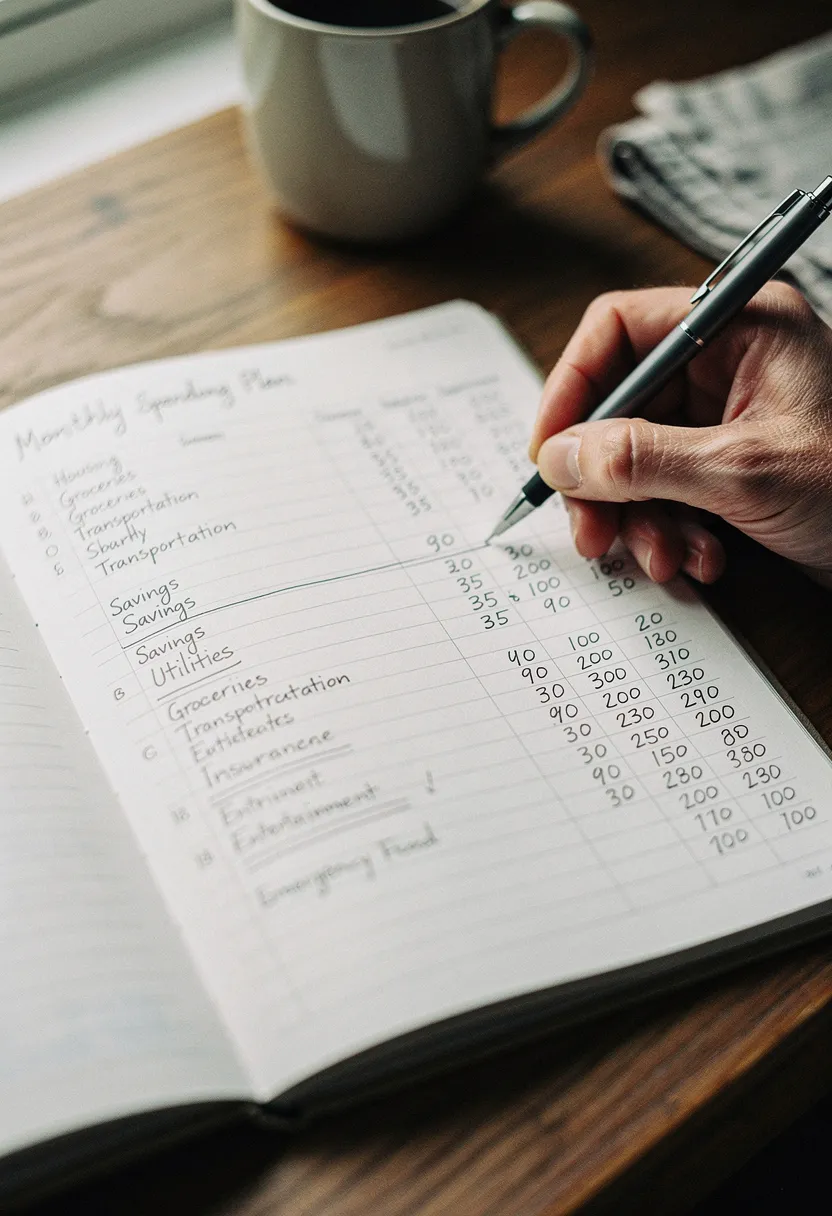
In 2026, a plethora of tools exist to assist with expense control, from advanced digital platforms to long-used traditional methods. Choosing the right one can significantly impact your ability to manage personal resources effectively. This guide will compare various options, helping you identify the best fit for your lifestyle and planning goals. Whether you prefer a high-tech solution or a classic approach, understanding the benefits and drawbacks of each will give room to your decision-making. The key is finding a system you can consistently use.
Before diving into specific tools, consider what you truly need from an expense tracker. Are you looking for a simple way to log transactions, or do you require detailed reports and forecasting capabilities? Your comfort with technology, the complexity of your household's finances, and your available time will all influence the ideal choice. Some individuals prioritise ease of use, while others value extensive features. Clarifying these needs upfront tightens your selection process, preventing frustration later.
Digital tools offer convenience and automation. Many applications automatically categorise transactions, provide visual summaries, and allow for goal setting. They often sync across devices, making it easy to track on the go. Examples range from simple apps for basic logging to more hardened platforms that integrate with other planning aspects. While these tools offer powerful insights, they require initial setup and a level of comfort with digital interfaces. User experience and data security are important considerations when opting for digital assistance.
For those who prefer a more tactile or manual approach, traditional methods remain highly effective. These include using spreadsheets, dedicated notebooks, or the classic envelope system. These methods offer complete control over your data and can be highly customisable. They require more manual input and calculation but can encourage a deeper connection to your spending habits. Traditional methods are often favoured by individuals who value privacy and a straightforward, no-frills approach to their financial records.
The best tool is the one you actually use.
When comparing tools, consider the ease of use. A complex tool, no matter how powerful, is ineffective if you don't use it consistently. Evaluate the learning curve and the amount of effort required for daily input. Security and privacy are also paramount, especially with digital options. Research how your data is protected and whether the tool aligns with your privacy preferences. For traditional methods, consider the physical security of your records. Your a calmer approach is as important as the data itself.
The optimal tool for expense control is ultimately the one you will use consistently and effectively. Some individuals may benefit from a hybrid approach, combining elements of digital tracking for convenience with manual review for deeper understanding. Consider a trial period for any digital app before committing, or experiment with different traditional methods to see what resonates. The aim is to make expense tracking a natural part of your routine, not a burdensome chore. Consistency is the most powerful tool of all.
Choosing the right expense control tool is a personal decision that can significantly enhance your financial well-being. By understanding your needs, evaluating both digital and traditional options, and prioritising ease of use and security, you can find a system that backs you. Start by experimenting with a method that feels comfortable, then commit to consistent tracking. Taking control of your expenses is a critical step towards achieving your broader personal planning aspirations. Make an informed choice today.
Walk through the options for tracking your expenses effectively. We compare various methods to help you find the best fit for your personal planning.
The 2026 Guide to Personal Resource Management
Eleanor reviews all our guides, focusing on clarity, accuracy, and practical application for everyday resource management. Questions for the author? Reach out at anacaptain@info.com.
By using this site you accept our use of cookies. Details in our Cookie Policy plus our Privacy Policy.