Key Takeaways
- Know your total monthly input.
- Distinguish fixed from variable costs.
- Be realistic with variable allocations.
Tips
Learn to build an effective spending plan for your household with our practical, easy-to-follow steps. Take control of your daily allocations.

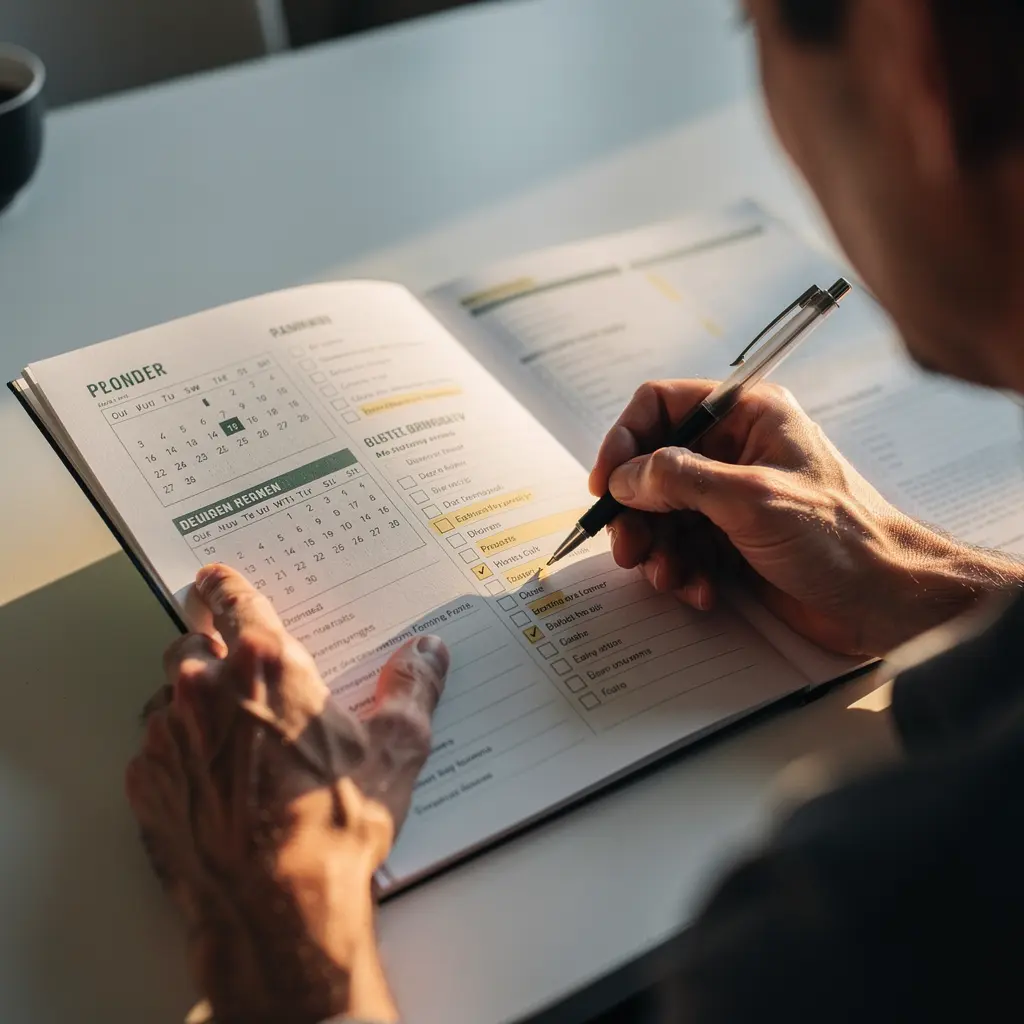
Creating a household spending plan might seem daunting, but it's a powerful step towards financial clarity. This guide breaks down the process into manageable, actionable steps, making it accessible for everyone. You'll learn how to identify your resource flow, categorise expenses, and allocate funds efficiently to meet your household's needs and aspirations. By the end, you'll have a clear blueprint to guide your decisions, reducing stress and enhancing your overall well-being. A structured approach is often the most effective for long-term success.
Before you begin, gather all necessary documents: statements, pay slips, and any records of regular outgoings. A clear picture of your household's total resource input and expenditure is essential. This information will form the foundation of your plan, allowing you to build it on accurate data. Consider using a simple spreadsheet or a dedicated planning tool to organise these figures. Having all the data in one place simplifies the subsequent steps, ensuring you don't miss any critical details.
The first step is to accurately determine your total monthly resource input. This includes all regular contributions to your household. Once you have this figure, list all your fixed monthly outgoings - things like rent, utilities, and regular commitments. These are typically consistent and easier to plan for. Subtracting these from your total input gives you a clearer picture of your remaining disposable resources. This foundational calculation is a critical starting point for any effective plan.
Next, allocate resources for variable expenses such as groceries, transport, and discretionary spending. This is where many plans falter, so be realistic. Divide your remaining resources across these categories, setting limits based on your priorities and historical spending. Regularly review these allocations, especially during the first few months, to ensure they are practical and sustainable. Remember, a spending plan is a living document, meant to be adjusted and improved over time.
A goal without a plan is just a wish.
To truly optimise your plan, look for areas where small adjustments can make a big impact. Could you reduce certain discretionary categories, or find more efficient ways to manage recurring services? Even small changes, consistently applied, can free up significant resources over time. Consider the 'why' behind each expense and whether it aligns with your broader household goals. This reflective process helps grow conscious spending habits, moving away from reactive decisions.
Common pitfalls include setting unrealistic goals, not tracking progress, and failing to adjust the plan as circumstances change. Avoid these by being flexible and patient with yourself. Life happens, and your plan should accommodate it. Regularly check your progress, perhaps weekly or bi-weekly, to ensure you're on track. If you find yourself consistently overspending in one area, consider adjusting your allocation or exploring alternatives. Learning from your experience is part of the process.
Crafting an effective household spending plan is an enabling journey that brings clarity and control. By following these steps-gathering information, building your core plan, refining for optimisation, and sustaining your progress-you can create a blueprint for a more secure future. Remember that consistency and flexibility are your greatest allies. Start today, and witness the positive transformation in your household's financial well-being. The effort you put in now will pay dividends for years to come.
Learn to build an effective spending plan for your household with our practical, easy-to-follow steps. Take control of your daily allocations.
The 2026 Guide to Personal Resource Management
Eleanor reviews all our guides, focusing on clarity, accuracy, and practical application for everyday resource management. Questions for the author? Reach out at anacaptain@info.com.
By using this site you accept our use of cookies. Details in our Cookie Policy plus our Privacy Policy.